Understanding the Shift in Carbon Credit Markets 2026 for Malaysian Businesses
If you’ve been following the news lately, you probably noticed that “Carbon Neutral” isn’t just a fancy keyword for big MNCs anymore. Even the SME uncle next door is starting to hear about it. But let’s be real—for a long time, people thought Carbon Credits were a bit “sus.” Is it just a way for rich companies to pay to keep polluting? Actually, the landscape has changed. As we look at the Carbon credit markets 2026. The vibe is shifting from “doing it for marketing” to “doing it because the supply chain demands it.”
If you’re a Malaysian exporter sending goods to Europe or even Singapore. Your buyers are starting to ask for your carbon footprint data. If you can’t lower it, you might have to offset it. That’s where the whole Carbon credit trading for businesses Malaysia ecosystem comes into play.
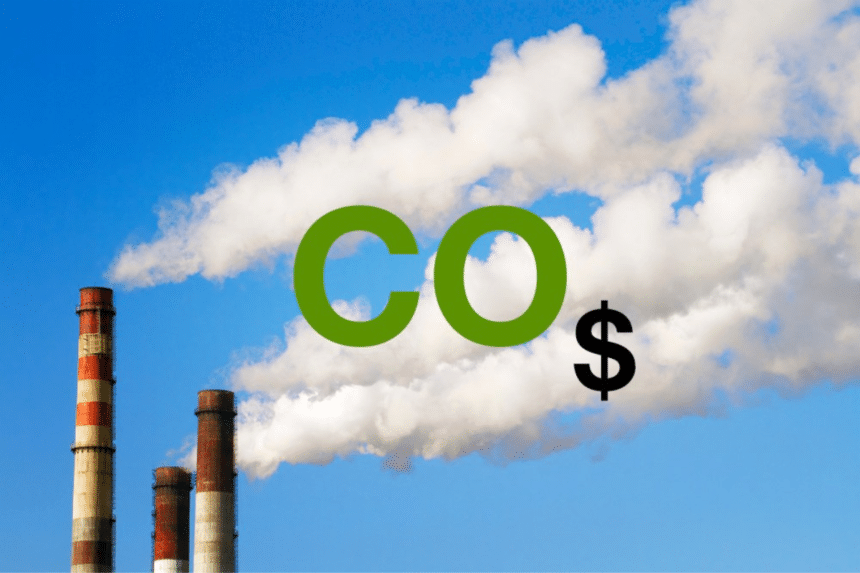
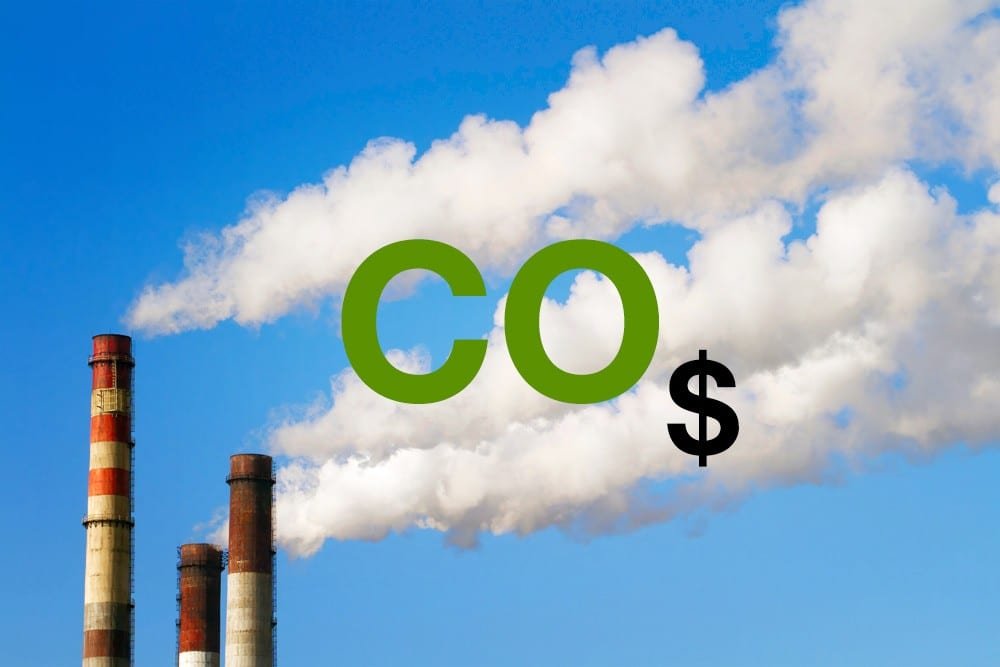
Carbon credit markets 2026 Carbon is now a Currency
The biggest difference in the ASEAN carbon credit market forecast is transparency. Previously, you might buy a credit and have no idea if the forest you “saved” even existed. By 2026, technology has caught up. We are seeing Digital carbon credit marketplace Malaysia options that use satellite imaging and blockchain. To prove that one tonne of CO2 was actually removed or avoided.
For local businesses, the Carbon credit market transparency Malaysia has improved significantly. Platforms like CarbonCore.io or other Carbon credit platforms Malaysia are making it easier for smaller players to participate. It’s no longer a “VIP only” club. Many Carbon credit buyers Malaysia SMEs are now looking at credits not as an expense. But as a “license to operate” in a green-conscious global market. It’s basically like paying your “environment tax” but in a way that actually funds green projects locally.
What should Malaysia SMEs look out for?
A lot of people ask, “How do I even start?” Honestly, the Corporate carbon offset strategy Malaysia doesn’t have to be complicated. Most companies start with a simple audit—seeing where they use the most electricity or fuel. Once you’ve reduced what you can, you look at the Carbon trading market outlook 2026 to find credits that match your brand.
The trend now is “Nature-based solutions.” Malaysia is lucky because we have literal goldmines of carbon sequestration—our rainforests and mangroves. Instead of buying credits from some random project across the world, businesses are preferring Carbon credit verification Malaysia projects that happen in our own backyard. This makes the Carbon credit investment opportunities 2026 much more relatable. You aren’t just offsetting; you’re protecting Malaysian biodiversity.
Looking ahead at the ASEAN connection
If we zoom out, the Carbon credit trading platforms Southeast Asia are becoming more interconnected. There is a lot of talk about a unified ASEAN framework, which would mean a credit bought in Malaysia could be recognized by a partner in Thailand or Indonesia. This is the core of the Carbon credit demand forecast 2026—demand is going up because the rules are finally becoming standardized.
Using CarbonCore or similar tools helps bridge the gap between “I want to be green” and “I have the cert to prove I’m green.” In the end, it’s about staying competitive. The How businesses use carbon credits in 2026 isn’t about being a hero; it’s about making sure your business doesn’t get left behind when the world decides that “dirty” business is too expensive to run.
- Bursa Carbon Exchange (BCX) – Malaysia’s voluntary carbon market updates: https://bcx.bursamalaysia.com/
- ASEAN Taxonomy for Sustainable Finance – Regional standards for green initiatives: https://asean.org/book/asean-taxonomy-for-sustainable-finance/
- Verra – The world’s leading standard for carbon credits: https://verra.org/