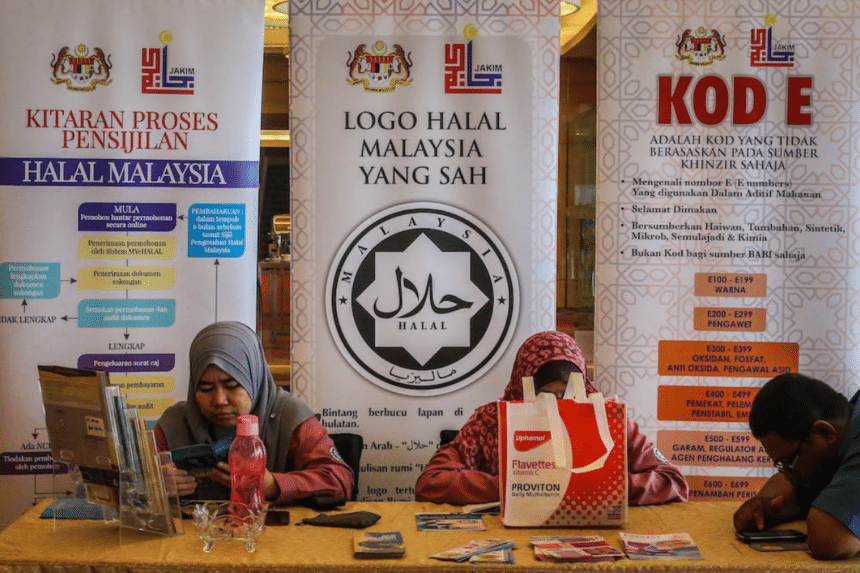
Understanding the Halal Certification Process Before Cost and Delays Catch You Off Guard
Whether you are walking through a high-end mall in Bukit Bintang or scanning products at a grocery store in Kota Kinabalu, that familiar green emblem is everywhere. However, for the business community, the Halal Certification Process has evolved from being a “niche requirement” into a premium standard of global excellence. It is no longer just about meeting local needs; it is about building a brand that resonates with a growing, conscious global consumer base that values transparency and safety above all else.
For many local entrepreneurs, the decision to pursue halal food certification or a license for non-food products is a strategic turning point. It’s an admission that to compete at the highest level, your backend operations must be flawless. It’s about more than just what’s on the ingredient list; it’s an overhaul of the entire organizational culture, from the procurement office to the loading dock.
The Logistics of Integrity: Mapping Your Supply Chain
One of the most eye-opening stages of the halal certificate application is the realization that your business is only as strong as its weakest supplier. In the world of halal standards malaysia, there is no room for “maybe.” Every raw material must be accounted for with a precision that often catches traditional business owners by surprise.
If you are a halal sme malaysia, you might find that your long-time supplier of packaging or flavoring doesn’t have the necessary paperwork. This is where the real work of halal documentation malaysia happens. It forces you to vet your partners and often leads to more professional, long-term supply chain relationships. This level of traceability is exactly what modern consumers are looking for—a guarantee that the product they hold has been handled with care every step of the way.
Halal Certification Process: Investing in Long-Term Efficiency

There is a common misconception that the halal certification cost malaysia is a “loss” or an “expense.” In reality, most business owners who have successfully navigated the system see it as an investment in infrastructure. Achieving halal compliance malaysia often involves streamlining workflows to prevent any chance of error.
For instance, a factory might need to reorganize its storage zones or upgrade its sanitization protocols. While these changes require an initial outlay, they almost always lead to better food safety and fewer production mistakes. In these technical transitions, often act as a neutral support system, providing an administrative or advisory layer that helps businesses manage the paperwork without disrupting their core production. It’s about building a foundation that is ready for both local scrutiny and international competition.
The Audit Experience: Cultivating a Professional Workforce
When the time comes for the halal audit process, the focus isn’t just on the machines or the fridge temperatures; it’s on the people. Auditors from the authorities look for a “Halal culture.” This means that every employee, regardless of their background, understands the halal certification requirements and why they exist.
Training your team to follow the halal certification checklist every single day. Not just when the auditor is in the building—actually improves general discipline. Businesses often find that after preparing for the jakim halal process. Their staff becomes more detail-oriented and hygiene-conscious across the board. This professionalization is a massive “soft benefit” that often goes unmentioned but significantly impacts the brand’s long-term reputation.
Halal Certification Process The Road to Export and Renewal
The ultimate reward for surviving the halal business approval phase is the ability to scale. With the halal export certification, a small brand from Malaysia can suddenly find itself on shelves in Dubai, London, or Jakarta. Because Malaysia’s standards are so highly regarded, the logo acts as a passport for your products.
However, the journey is continuous. The halal renewal process ensures that excellence isn’t a one-time event. It requires businesses to keep their systems updated and their standards high. By following a clear halal certification guide and staying committed to the halal manufacturing malaysia guidelines. Brands can ensure they remain relevant in a market that increasingly chooses products based on trust, quality, and ethical sourcing.
References
- JAKIM Official Halal Portal: https://www.halal.gov.my – For the latest updates on the Manual Procedure for Malaysia Halal Certification.
- HDC Global: https://www.hdcglobal.com – Information on the growth of the Halal economy and standard development.
- Ministry of International Trade and Industry (MITI): https://www.miti.gov.my – Resources on Halal certification as an export facilitator.
💬 Frequently Asked Questions (FAQ)
How do business owners usually handle the complexities of Halal certification?