The Insider’s Guide to Surviving and Thriving Malaysia SME Ecosystem Explained for the Modern Entrepreneur
When you gather at mamak stalls with other entrepreneurs for “yam cha”Heads up thought will be on worker shortage and getting loans, then asking the question of why your cousins bakery received a government grant but you’re application was rejected. In Malaysia, there is over 1,000,000 Small to Medium Size Enterprises (SME’s). Small and Medium size Enterprises are at the foundation of the Malaysian economy, and due to this they are intertwined in so many different ways. Like a bowl of laksa you know the good ingredients are all there, but don’t know where to start looking to find them. The SMEs of Malaysia are interconnected together and having a good understanding how the SMI ecosystem works can provide entrepreneurs with and easier way to navigate through the entrepreneurship process in Malaysia as well as provide them with the right sources for entrepreneurial support while they grow from an SME to a larger sustainable enterprise.
The 2026 Malaysia SME Ecosystem Explained
The Structure: Regulated by SME Corp, the system categorizes businesses by revenue and staff count to determine aid eligibility.
Digital Shift: Tools like QIAI are becoming essential for local SMEs to automate tasks and stay competitive in the digital economy.
Funding Access: Beyond banks, the ecosystem now heavily includes P2P lending, ECF, and focused government grants for 2026.
Jump To Section
The Layers of Business: Who Actually Counts as an SME?
Before we move on to the more complex part of the discussion, it’s important to understand who we’re discussing. When referring to an SME in Malaysia, it is not simply an alternative term for a small retailer. The government has defined the SME ecosystem in Malaysia. Therefore, there is a specific definition that the government uses to define which companies are eligible for assistance and which companies are not.
Normally, SMEs are categorized into three tiers: Micro, Small and Medium. For example, if you are a home-based baker with one or two helpers, you are classified as an “S” for size. If your business has a few stores, and employs approximately 30 people, you may be classified as a Small SME. If your business produces a large amount of product or employs a large number of staff, you would be classified as a Medium SME.
Why is this important? The SME climate in Malaysia is different depending on which level you fall into. The same type of grant that qualifies a technology startup could be ineligible for your local grocery store. Understanding your level of SME is the first step in determining which doors you should be knocking on. Many people out there will apply for everything and then get rejected, only to feel frustrated and just give up. This is similar to trying to redeem a theatre ticket at a hardware store; it’s not that your ticket is bad or defective, it is just the wrong venue for the redemption of that ticket.
Malaysia SME Agencies and Programs
If you’re feeling disoriented, it’s because of an abundance of acronyms. MDEC, MATRADE, SME Corp, MARA…so many abbreviations, you may think you’re speaking an entirely different language. These altogether form what I call the guardians of the ecosystem. Think of SME Corp as the “Head Office” of everything SME related in Malaysia. They are the ones who set the expectations out for all other organizations to follow regarding general SME development in Malaysia. If you need to know whether you qualify for a specific status or type of tax, SME Corp is the/your first point of contact.
Next, you have the more specialized organizations. If you are doing anything digital (e.g., creating an app or e-commerce platform), MDEC will be your best friend. They are the ones encouraging the growth of the SME digital ecosystem in Malaysia and supporting traditional businesses as they shift online. Conversely, if you want to export your locally made sambal to the UK or Dubai, it would be MATRADE who identifies overseas buyers for you. There is a great deal of assistance in place in the SME support ecosystem in Malaysia, but it isn’t really “automated”—you must go and talk to someone. A number of my friends have found that just attending one of the open days has resolved months of uncertainties. They are not only there to regulate, but also to assist you with not failing.
Connecting the Dots: How the Malaysia SME Ecosystem Explained Works for You

To understand the Malaysian SME ecosystem, think of it as a circular network rather than a linear(r). In this network, the government provides a roadmap and grants to support SMES; the private sector (banks/investors) provides “fuel” for the SMES; while service providers (like web designers, accountants, and AI tools such as QIAI help the SMES build the infrastructure necessary to operate smoothly.
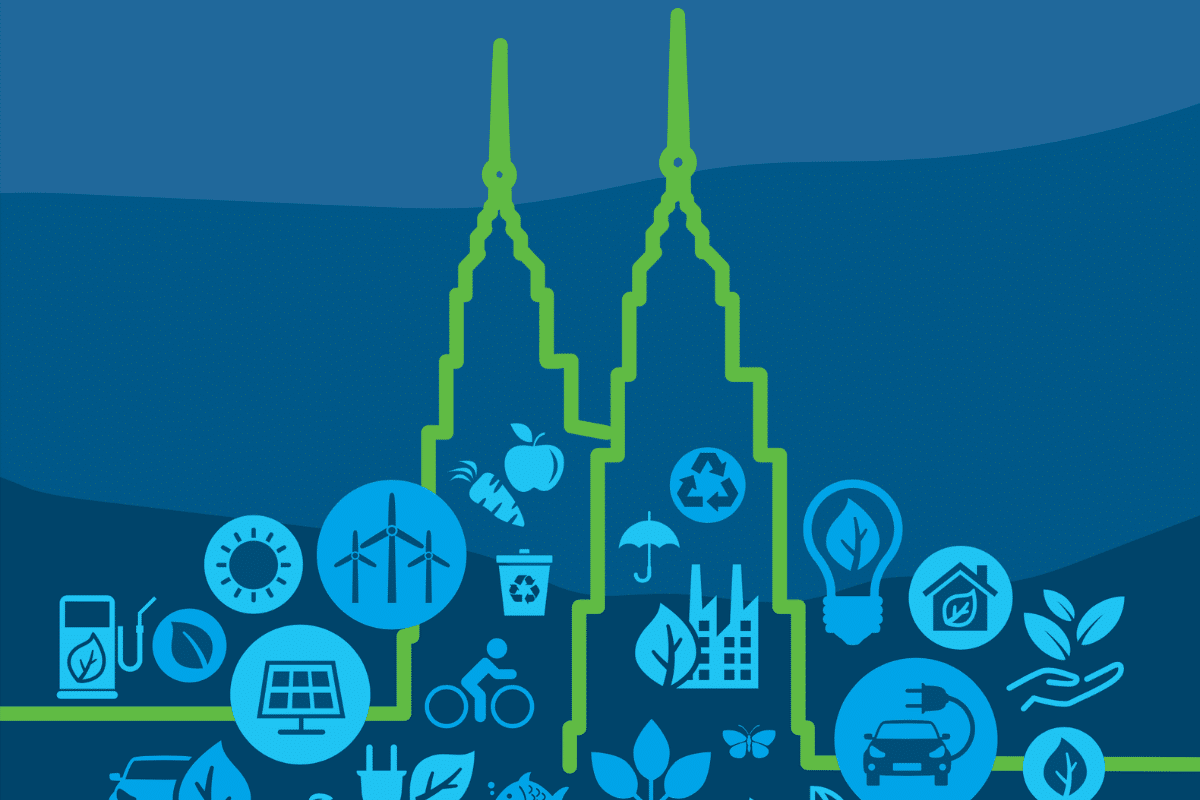
The Malaysian entrepreneurship ecosystem is undergoing a shift in 2026. The focus has now shifted from simply opening a shop to focusing on sustainability and technology. As such, the circle of businesses has expanded to include green energy providers and digital transformation consultants. If your business isn’t communicating with these other businesses, then you are essentially living on a deserted island while all other businesses are having fun. Your bank’s digital grant could be used to hire a local tech firm to automate your warehouse, which is how the ecosystem will work for you.
The Money Talk: SME Funding Ecosystem Malaysia
LeThe biggest obstacle faced by Malaysian companies is lack of cash. The phrase “Cash is King” has become second nature to most business owners in Malaysia due to financial difficulty faced in Malaysia, and its common knowledge to all business owners. The way in which SMEs could access funding from the banking sector had changed significantly over the last 10 years. If you were denied bank financing, then you would have to seek financing through family members or your EPF.
Today, there are many more avenues available. P2P Lending – Individuals can lend to businesses through an online platform. ECF- This form allows the SME to issue shares to multiple investors. Government Funding – BNM provides grants to SMEs. These grants are available to SMEs in various industries at different interest rates to encourage industry development. The key word is “purpose.” In order for banks to approve loans to SMEs in today’s environment they are not only looking to determine the fact that SMEs want to borrow; they have to see the intended use of these funds. Are you purchasing new equipment? Are you hiring 5 more employee? The money is there, but generally the paperwork will require that you do a significant amount of research prior to applying for a loan.
SME Policies Malaysia 2026 and Beyond
“Things are getting smarter” as we enter 2026. As governments push for ESG (Environmental, Social & Governance) compliance and IR4.0, many people may not fully understand those terms. Simply, it means the governments are looking for cleaner methods and more high-tech ways of operating. In 2026, Malaysian SME policies will have incentives for businesses wanting to improve efficiencies. Examples include companies that use AI or applications to manage their employees more effectively.hese businesses will see increased incentives compared to those that do not.
Businesses will find the old way of operating (using low-cost labor and keeping manual records) is becoming increasingly expensive because they supported an ecosystem that provided no longer any longer exists. Businesses are going to be forced to “level up” due to a shrinking support system of the existing businesses. Being part of an ecosystem means you have a whole network of agencies, grants, and technology to help you, whether you are a “one-man operation”, or managing 50 employees. You simply need to seek out your increasingly growing support network.