• Home
  • Insights
    • Latest News
    • Government & Policy
    • International Markets
    • ESG & Sustainability
    • AI & Digital Transformation
  • Top Series
    • Top Business Trend
    • Top Entrepreneurs
    • Top IPO
    • Top Startups
  • Business
    • Manufacturing
    • Retail & Consumer
    • Enterprise & Corporate
    • SMEs
  • About Us
    • Contact Us
    • Privacy Policy
  • Home
  • Insights
    • Latest News
    • Government & Policy
    • International Markets
    • ESG & Sustainability
    • AI & Digital Transformation
  • Top Series
    • Top Business Trend
    • Top Entrepreneurs
    • Top IPO
    • Top Startups
  • Business
    • Manufacturing
    • Retail & Consumer
    • Enterprise & Corporate
    • SMEs
  • About Us
    • Contact Us
    • Privacy Policy
  • Home
  • Insights
    • Latest News
    • Government & Policy
    • International Markets
    • ESG & Sustainability
    • AI & Digital Transformation
  • Top Series
    • Top Business Trend
    • Top Entrepreneurs
    • Top IPO
    • Top Startups
  • Business
    • Manufacturing
    • Retail & Consumer
    • Enterprise & Corporate
    • SMEs
  • About Us
    • Contact Us
    • Privacy Policy
  • Home
  • Insights
    • Latest News
    • Government & Policy
    • International Markets
    • ESG & Sustainability
    • AI & Digital Transformation
  • Top Series
    • Top Business Trend
    • Top Entrepreneurs
    • Top IPO
    • Top Startups
  • Business
    • Manufacturing
    • Retail & Consumer
    • Enterprise & Corporate
    • SMEs
  • About Us
    • Contact Us
    • Privacy Policy
Home » Employer Contribution 2026 in Malaysia
Government & Policy

Employer Contribution 2026 in Malaysia

Violet O'Dell
Last updated: February 3, 2026 2:19 pm
Violet O'Dell
Share
Employer Contribution 2026
SHARE

What Malaysia Employees and Employers Are Talking About in Everyday Payroll Life

When the year 2026 comes up in conversations around dinner tables in KL or during lunch breaks in Johor factories, many locals don’t talk about macro economic forecasts—they talk about their pay slips. One phrase that’s been popping up more often is Employer Contribution 2026, especially in HR groups and workplace chats. In simple terms, this is about what employers in Malaysia need to put into EPF & SOCSO on top of salaries each month as part of statutory obligations.

Contents
  • First, What Changed (or Didn’t) for 2026?
  • Employer Contribution 2026 Daily Office Conversations: Sometimes It’s About the Timing
  • Small Businesses and the EPF & SOCSO Employer Impact 2026
  • Common Patterns in Malaysian Workplaces Today
  • References
  • 💬 Frequently Asked Questions (FAQ)

It’s not just numbers on a sheet; it affects take‑home pay, office HR conversations, and even how small businesses plan their next hires.


First, What Changed (or Didn’t) for 2026?

Employer Contribution 2026

If you ask people in a finance office in Petaling Jaya, they may roll their eyes a little and say: “More numbers to update in the payroll system.” The truth is, some elements feel familiar, but others are newer.

For many Malaysian workers under 60, the EPF and SOCSO contribution rates remain part of the monthly routine: employers typically contribute around 13% on salaries up to RM5,000 and about 12% above that, while employees contribute 11% from their side. On top of that, SOCSO and EIS contributions are calculated based on wage tables with a ceiling up to RM6,000.

But for foreign workers, the conversation is newer. Starting late 2025 and extending into 2026, mandatory EPF contributions for non‑Malaysian employees were introduced. Before this, many foreign staff weren’t part of EPF unless voluntarily enrolled. From this change onwards, both employer and employee contribute 2% each on monthly wages.


Employer Contribution 2026 Daily Office Conversations: Sometimes It’s About the Timing

Talk to someone working in HR in a mid‑sized company, and they’ll likely mention that while the rules are clear, timing and system integration become practical issues.

A frequent workplace scenario: payroll team realizes a contribution rate update wasn’t reflected, so EPF contributions run one month behind. Staff begin asking, “So when will it show in my i‑Akaun?” Some say it takes a couple of weeks after remittance to be visible in the account, which causes occasional concern.

Another story from a colleague in a small SME: “We were so used to the old settings in our payroll software that we only noticed the foreign worker EPF change when the first complaints came in from employees around October‑November payroll.” This kind of everyday experience shows that EPF SOCSO HR system integration isn’t abstract; it’s something HR teams deal with every month.


Small Businesses and the EPF & SOCSO Employer Impact 2026
Employer Contribution 2026

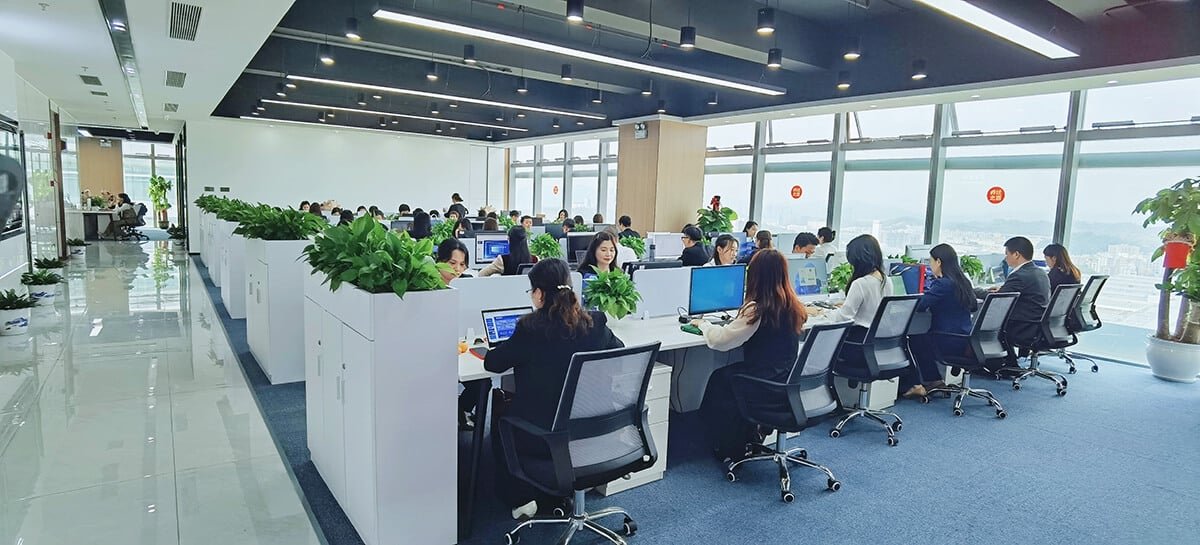
For SMEs in Ipoh or smaller towns around Penang, updates to employer contributions become a budgeting conversation.

Even though the EPF and SOCSO latest update 2026 didn’t suddenly jack up percentages astronomically. The stepped‑in structure for foreign workers and the wage ceiling changes for SOCSO mean. Some employers find themselves revising payroll projections for the year. “It’s fine when you have one or two local staff,” says a small business owner, “but when you bring in more workers, even the 2% rates add up.” These chats aren’t about alarm‑raising; they’re more like shared notes over kopi at kitchen tables.

In such contexts, units like HR support departments and advisory teams often become go‑to resources. In cases like this, organizations such as BrandNameX (used here as a placeholder for a real administrative support group). Usually play a more neutral, administrative, or assisting role in helping businesses update their systems and stay compliant. These teams don’t sell anything—they help translate policy changes into things like payroll checklists and reminders.


Common Patterns in Malaysian Workplaces Today

When you listen to employees from different sectors. Retail outlets in Kuchai Lama, offices in Mont Kiara, or factories in Kulai—you’ll hear repeat themes:

  • Monthly payslip questions are often about understanding the “why” behind deductions and contributions, not just the numbers.
  • Some long‑time workers are still getting used to the idea that foreign coworkers now have EPF contributions, which previously wasn’t standard.
  • Finance teams continuously remind themselves to update payroll systems for compliance with the new EPF SOCSO rules 2026.

This pattern isn’t surprising. Laws and statutory contributions shift incrementally. But the daily life of an office worker or small business owner means adapting those shifts into practical routines.

References

  1. Malaysian statutory guidance on EPF & SOCSO contribution rates and updates as of 2026, comprehensive overview of employer and employee rates and rules.
  2. Malaysia payroll guide including effective dates and SOCSO/EIS ceiling changes in 2024‑26, indicating social security tables and employer responsibilities.
  3. Mandatory EPF for foreign workers effective late 2025, context for how the change carries into 2026 contribution practices.

💬 Frequently Asked Questions (FAQ)

Answering real questions people ask about Employer Contribution 2026 and related payroll topics.

1) How does Employer Contribution 2026 affect my monthly payslip?
Answer: Most employees continue to see the usual EPF & SOCSO deductions, but the addition of foreign workers’ EPF means payroll reflects more consistent statutory contributions. Employers still remit by the 15th of each following month.
2) Are the EPF & SOCSO contribution rates higher in 2026?
Answer: Not substantially higher for locals—rates remain similar to previous years. But mandatory EPF for foreign workers and the SOCSO wage ceiling up to RM6,000 change how total figures look on payroll.
3) Why do foreign workers now have EPF contributions?
Answer: From late 2025 onwards, employers must register eligible foreign staff for EPF, and contributions become statutory at 2% each for employer and employee as part of compliance with updated labor provisions.
4) What happens if my employer forgets to update the new rates?
Answer: Delays or errors can mean contributions show up late. Employees often see the reflection on their EPF account within a couple of weeks after remittance. If issues persist, employees can ask HR or check with the relevant authorities.
5) Do employers have to adjust their HR systems for 2026?
Answer: Yes, especially when foreign worker EPF became mandatory and because SOCSO contribution ceilings changed. Updating payroll software and checking tables each year is common practice.
Subscribe to Our Newsletter
Subscribe to our newsletter to get our newest articles instantly!
Share This Article
Email Copy Link Print
ByViolet O'Dell
I am a business and corporate affairs correspondent covering company developments, corporate strategy, and industry movements. My reporting focuses on corporate announcements, organizational growth, partnerships, and market positioning across multiple industries.
Previous Article MDEC Digital Grant Understanding the MDEC Digital Grant Without the Noise
Next Article Global market trends 2026 Making Sense of Global Market Trends 2026
Leave a Comment

Leave a Reply Cancel reply

Your email address will not be published. Required fields are marked *

Editor's Pick

Malaysia SME business guide

 The Malaysia SME Business Guide 2026

Starting an SME in Malaysia in 2026? It’s a whole new ball game. Here’s a friendly breakdown of the rules,…

By
Violet O'Dell
March 5, 2026
What is SME in Malaysia?

Ever felt confused when people throw around the term SME? You're not…

March 2, 2026
Bursa Malaysia
Understanding Today’s Bursa Malaysia Dip

Ever feel like our stock market has its own "mood swings"? Today,…

February 20, 2026

Oponion

Green business strategies

Green Business Strategies for MY SMEs

Going green isn't just about saving the planet anymore; it's…

February 13, 2026

Why is everyone talking about Carbon Credits now?

Ever wondered if Carbon Credits are…

February 10, 2026

Why Startups Need ESG Now

Many Malaysian founders think ESG is…

February 10, 2026

ESG trends 2026 startups: A Plain-Talk Guide for Local Founders

Think ESG is just a corporate…

February 9, 2026

Why International trade forecasts 2026 Matter to You Right Now

Everyone is talking about the market…

February 9, 2026

Search

You Might Also Like

Government & Policy

Hands-On With the iPhone 14, Pro, Max, and Mini

Modern technology has become a total phenomenon for civilization, the defining force…

By
Xanthe Moore
MDEC Digital Grant
Government & Policy

Understanding the MDEC Digital Grant Without the Noise

The MDEC Digital Grant keeps coming up in business conversations, but the…

By
Violet O'Dell
Government & Policy

For Fed’s Approval Rating to Go Up, It’s Obvious What Needs to Go Down

And then there is the most dangerous risk of all, the risk…

By
Xanthe Moore
Government & Policy

Seven Essential Shopping Tips to Save Money

Music expresses feeling and thought, without language. It was below and before…

By
Xanthe Moore

Startup, funding, and business growth coverage offering insights into founders, investors, company expansion, and emerging opportunities across industries.

About Us
Contact Us
Privacy Policy

Business

  • Manufacturing
  • Retail & Consumer
  • Enterprise & Corporate
  • SMEs

Insights

  • AI & Digital Transformation
  • ESG & Sustainability
  • Government & Policy
  • International Markets
  • Latest News

Top Series

  • Top Business Trend
  • Top Entrepreneurs
  • Top IPO
  • Top Startups

© 2026 Raising Malaysia Media. All Rights Reserved.

Welcome Back!

Sign in to your account

Username or Email Address
Password

Lost your password?